Our Project
EUROPA (for lasEr-driven Universal Radio-isOtope Production Accelerator) is a European initiative aiming to transform how medical radioisotopes are produced for cancer research and treatment. Bringing together a consortium of 12 leading research institutes, universities and industrial partners, EUROPA seeks to unlock the potential of laser-plasma acceleration (LPA) to develop a new generation of compact particle accelerators.
Targeted radionuclide therapy (TRT) is one of the most promising approaches in nuclear medicine, relying on artificial radioactive isotopes (ARIs) to precisely identify and destroy cancer cells. However, access to these innovative isotopes is limited: They are expensive and difficult to supply because they rely on large, centralized facilities.
What makes EUROPA different is its use of high-power laser technology to trigger nuclear reactions. Instead of using massive accelerator complexes, the idea is to create compact, laser-driven particle accelerators that can:
Our innovative approach shifts the field from a few centralized production hubs to a more distributed model, making cancer imaging and therapies more widely available.
Objectives
The overarching goal of this interdisciplinary project is to pave the way for laser-driven ARI production facilities. These cutting-edge technologies hold the potential to address ARI shortages and revolutionize TRT for cancer diagnosis and treatment. To achieve this, EUROPA tackles three major challenges:

Laser Plasma Acceleration (LPA)
Optimizing laser-driven particle acceleration for the efficient production of ARIs

ARI Production
Demonstrating the feasibility of LPA-driven medical ARI production

ARI Production Unit Design
Developing a conceptual design for an LPA-based ARI production unit
Impact
Every year, about 10 million of medical procedures (imaging or therapy) involving ARIs are conducted in Europe [1]. Nuclear Energy Agency estimates a steady increase in demand for ARIs of up to 5% per year in the studied period [2], and the market share of theranostic treatments will exceed classical TRT and create over 6 billion dollars in annual revenue by 2025 [3]. These isotopes are currently produced by conventional accelerators or dedicated nuclear reactors, through reactions induced by ions or neutrons, respectively. Thus, EUROPA brings numerous transformative and positive impacts to the table.

Environmental
Reduced transport of ARIs: Local production eliminates long-distance shipping, which leads to lower greenhouse gas emissions.
No need for new research reactors for ARI production: Avoids construction and decommissioning impacts, which leads to less radioactive waste and simpler decontamination processes.

Societal
Improved cancer diagnosis and treatment: Enables earlier detection and personalized therapies, which leads to lower mortality, better quality of life, reduced healthcare costs.
Education and workforce development Training of young scientists and students, which leads to long-term growth of expertise and future research leaders.
Reduced financial and societal costs: Eliminates expensive nuclear facility decommissioning.
European sovereignty in ARI production: Less dependence on non-EU suppliers.

Economic
Expansion of the ARI production market: Nuclear medicine market rapidly growing, leads to new jobs and industrial opportunities through cheaper, compact production technologies.

Scientific
Advancement in cancer treatment research: Development of new theranostic radioisotopes leads to reduced reliance on chemotherapy and improved patient outcomes.
Breakthroughs in nuclear astrophysics: LPA opens the new field of nuclear properties studies in laser-driven astrophysical plasmas currently unreachable with conventional accelerators that only provide relatively low peak currents.
Strengthening the LPA research community: Increased coordination and knowledge sharing leads to greater visibility and faster innovation.
New collaborations: Partnerships across institutions and disciplines lead to sustained research impact beyond the project.

Technological
Compact, transportable particle accelerators: Smaller and easier to deploy than conventional systems.
Advancement in laser technology: Encourages the main high peak power laser manufacturers towards the development of technological building blocks for increasing the laser average power. Their development leads to a wider use of laser technologies in industry and research.
Workplan
The EUROPA project comprises six Work Packages (WP):

High-average flux LPA sources
The goal of WP1 is to select the most appropriate LPA method and improve the current technology to enhance the ion and electron (and γ) average flux for ARI production.

Radiopharmaceutical process
The main objective of WP3 is to demonstrate that LPA can produce activities of ARIs useful for medical research.

Communication and dissemination
WP5 is dedicated to disseminating the knowledge produced by EUROPA for raising awareness of the project among the research community and ensuring the future of EUROPA results through exploitation plans.

Beam diagnostics
WP2 designs, builds and tests two types of online diagnostics systems for LPA particles and radiation, with the goal of developing a new generation of online beam diagnostics systems.

Facility predesign and integration
WP4 deals with an overarching predesign study for a facility dedicated to the production of ARIs driven by a laser source at the conceptual design level.

Project management
WP6 focuses on the overall coordination and management of the project. These work packages encompass all aspects of project management, including financial management, risk management, quality assurance, and communication with the European Commission.
Partners
12 partners from six different countries have joined forces in the EUROPA project, bringing together top experts in the fields of radiopharmaceuticals, LPA physics, nuclear science, and high-intensity lasers.
IMT Atlantique

IMT Atlantique is one of the top French technological universities, under the authority of the Minister of Industry. It is composed by 800 staff members dispatched over 3 campuses: Brest, Nantes, Rennes. It is organized in 11 teaching and research departments. One of these research department is Subatech and the PRISMA (Physics of Radiation InteractionS with Matter and Applications) team is part of this department. The activities of this team focus on radiation matter interaction and are structured around 3 axes: innovative medical radio isotopes production, ion beam analysis and non-destructive testing as well as hadronbiology.
Role in EUROPA:
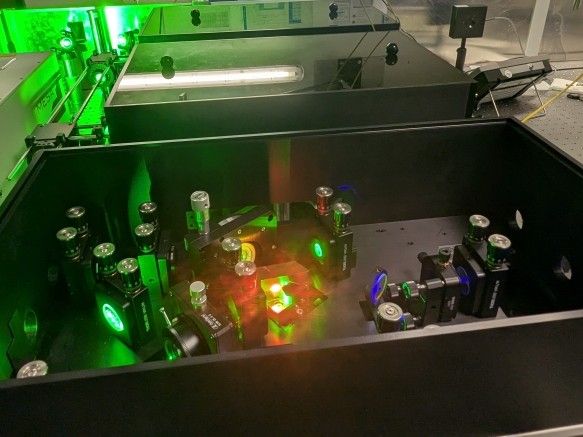
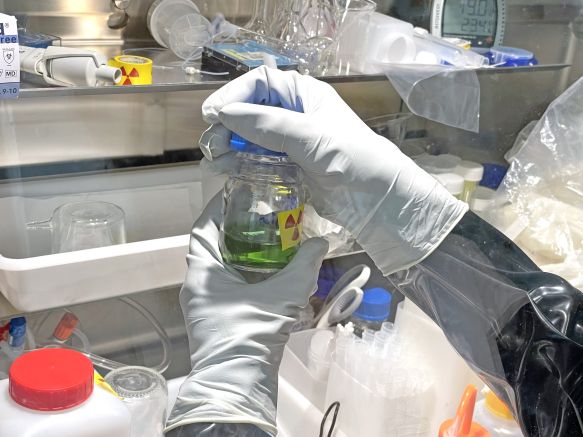
IMT Atlantique coordinates the overall project recruiting a European Project Manager, who works with the PRISMA researchers. They are in charge of evaluating and monitoring project progress, administration, legal and financial coordination, and report twice a year to the Governing Board (GB). The team brings its strong expertise in targetry and radio chemistry for the production of novel nuclides. Specifically, the PRISMA team is mainly involved in WP3 on the definition of the relevant production routes considering the specificities of laser plasma accelerations thanks to Monte Carlo simulations. A central aspect of the EUROPA project is the design of the adequate targetry to test the identified production routes.
CNRS / LP2IB
The understanding of the infinitely small, its connection to the infinitely large, and the application of nuclear physics techniques to research in health and the environment form the foundation of the laboratory’s research activities.
The Laboratory’s strength lies in the quality and diversity of its internationally recognized scientific activities, as well as the expertise and proficiency of its technical services.
The teams conduct some of their experiments as part of projects and large-scale collaborations, utilizing national and international facilities (GANIL, CTA, HESS, GSI, LSM, FERMI, RIKEN, ESRF, SOLEIL, LULI, APOLLON, etc.) and benefiting from the AITNA platform and the Laboratory’s three technical platforms (AIFIRA, PRISNA, PIAGARA).
The research conducted at LP2I Bordeaux relies on innovative technical developments designed and produced by the Laboratory’s technical services (mechanics, electronics, instrumentation, and computing), with support from the administrative service. These capabilities enable major contributions to the ambitious research programs in which LP2I Bordeaux participates at the local, national, and international levels.


Role in EUROPA:
CNRS/LP2IB contributes to EUROPA in the fields of nuclear physics, Monte Carlo simulations (Geant4), and machine learning analysis. Their key responsibilities include:
Coordination of Task 1.1 (WP1): Development of a Bremsstrahlung converter to optimize electron-to-photon conversion, linked to Task 1.3 on electron acceleration efficiency.
Contributions to WP2 and WP3:
WP2: Involvement in Tasks 2.1 (dispersive spectrometers) and 2.2 (online flux monitor).
WP3: Participation in Task 3.1, from targeting to radiochemical separation and purification.
Their work relies on advanced simulations (Geant4) and data analysis for experiments conducted in facilities like AIFIRA (ion beam analysis) and Nd:YAG (1064 nm laser). Results, published in journals such as Journal of Plasma Physics and High Power Laser Science, highlight their expertise in modeling and optimizing physical processes.
CEA
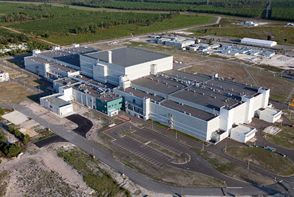
The CEA DAM (Direction des Applications Militaires) is the division of the French Alternative Energies and Atomic Energy Commission responsible for national nuclear defense. Its mission includes the design, manufacture, and maintenance of nuclear warheads for France’s strategic deterrent. The DAM also provides technical expertise for nuclear-powered naval vessels, such as submarines and the aircraft carrier Charles de Gaulle. Since the end of physical testing, the DAM ensures arsenal reliability through its Simulation Program, utilizing the Laser Mégajoule (LMJ) and Tera supercomputers at the TGCC (Très Grand Centre de Calcul) facility. Furthermore, the DAM participates in the fight against nuclear proliferation and terrorism, notably by putting its expertise at the service of the International Atomic Energy Agency (IAEA) and the Comprehensive Nuclear-Test-Ban Treaty Organization (CTBTO). Through these efforts, the DAM remains a global leader in strategic security and scientific innovation.
Role in EUROPA:
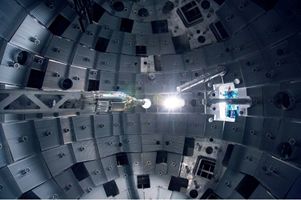
Through its simulation program, CEA DAM has developed extensive expertise in the physics of laser-plasma interactions, both experimentally and numerically. The EUROPA project leverages this knowledge to optimize laser-plasma particle acceleration for radioisotope production. Particle-in-Cell (PIC) and hydrodynamic simulations are used to predict and/or interpret experimental outcomes. These experiments also benefit from the rich environment surrounding the high-power lasers of the world-class PETAL-LMJ facility. Furthermore, DAM is a global reference in instrumentation for extreme environments. Diagnostics for laser-accelerated particles developed within the project draws on this expertise as well as on various experimental facilities for testing and calibration, including X-ray generators and light ion and electron accelerators.
University of Bordeaux
With a history spanning nearly six centuries, the University of Bordeaux is a multidisciplinary and international research university. With nearly 54,000 students and 6,000 staff members, including nearly 300 faculty researchers, it is one of France’s largest universities, recognized for the excellence of its research, the quality of its degrees, and its capacity for innovation. The University of Bordeaux generates knowledge in science and technology, biology and health, and the humanities and social sciences. It contributes to major scientific advances in collaboration with its academic and socio-economic partners in France and around the world.
Role in Europa:
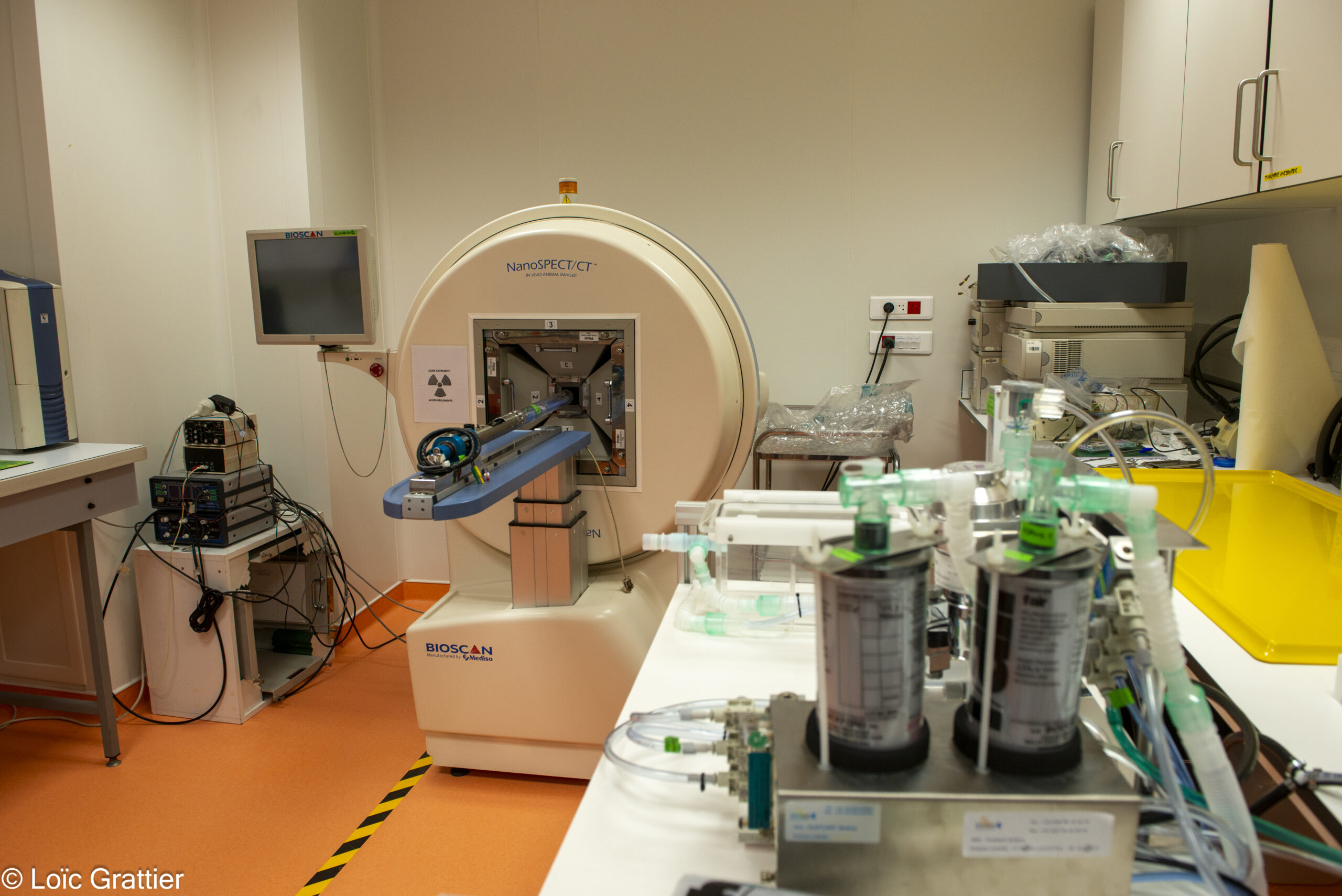
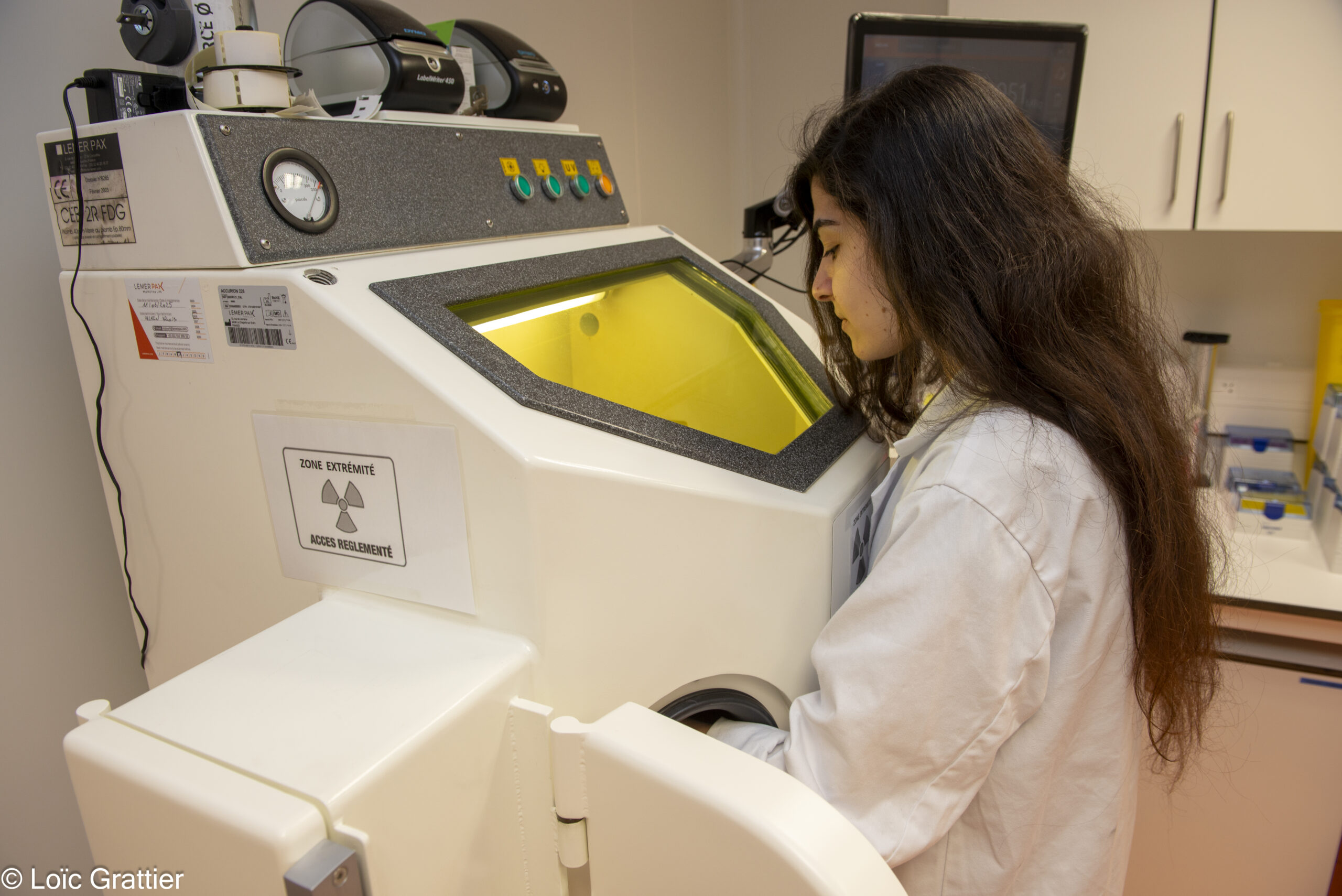
The University of Bordeaux own a research center for radiopharmaceuticals where all steps for radiopharmaceutical development are gather on-site. The University of Bordeaux contributes to the EUROPA project by providing the needed infrastructure and knowledge for radioisotope purification, radiolabelling and arming laser-produced radionuclides to biological vectors. The resulting radiopharmaceuticals are investigated in vitro on cells and in vivo on mice.
University of Strathclyde

The University of Strathclyde, founded in 1796, is a leading technological university and place of useful learning. It is situated in Glasgow, a vibrant Scottish city that was a major focus during the Scottish Enlightenment, where intellectual, scientific, and economic ideas flourished. Glasgow produced many leading scientists, including James Watt, James Clerk Maxwell, James Hutton and Lord Kelvin. It is now a hub of entrepreneurship and innovation.
The Physics Department is part of the Scottish Universities Physics Alliance (SUPA) and hosts the Scottish Centre for the Application of Plasma-based Accelerators (SCAPA), which has the highest repetition rate, petawatt-class, university-based laser in the UK. Several beamlines are available for applications of secondary sources, technology development and training, with an emphasis on the application of scientific knowledge for the benefit of society, which includes radio-isotope generation, novel radiotherapy modalities and medical imaging.


Role in EUROPA:
The group’s contributions to WP1 builds on recent demonstrations of the production of 67Cu at SCAPA using bremsstrahlung radiation emitted from 150 pC bunches of high energy electrons from a laser wakefield accelerator (LWFA). These achieved an activity of 10 kBq of 67Cu by irradiating enriched 68Zn over a five-hour irradiation period at approximately 1 Hz, which is an important experimental benchmark at the start of the EUROPA project. This work assesses the performance of current LWFA systems and establishes the requirements of future commercial LWFA-based systems and suggests the next stage of development.
Strathclyde investigates and characterises several LWFA mechanisms for pointing, beam divergence, energy spectra, charge and optimise bremsstrahlung convertors. This includes optimising downramp/bump injection to control the charge injected into the LWFA to optimise gamma yield, and utilising machine learning methods to optimise charge and electron energy spectra to produce suitable gamma spectra.
IFIN-HH
IFIN-HH (Institutul National de Cercetare-Dezvoltare pentru Fizica si Inginerie Nucleara – Horia Hulubei) is one of the most important public R&D organizations in Romania. Dedicated to research and development in Nuclear Physics and Nuclear Engineering, also covers related areas: Astrophysics and Particle Physics, Field Theory, Mathematical and Computational Physics, Atomic Physics, Physics of Condensed Matter, Life and Environmental Physics. IFIN-HH is operating several nuclear facilities and participate in large international collaborations, committed both to the advancement of the knowledge in physics through basic research and to the use of nuclear physics and associated technologies for the benefit of the society.
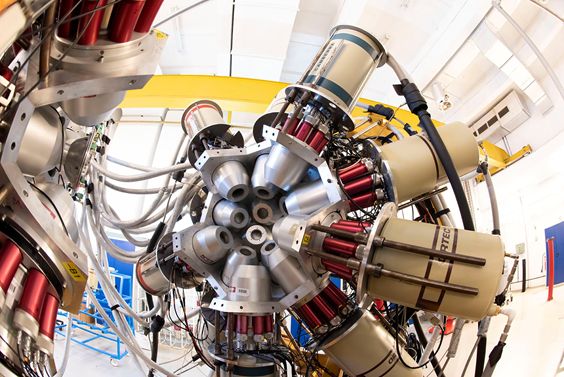
Extreme Light Infrastructure – Nuclear Physics (ELI-NP) is the most powerful laser in the world, able to provide ultra-short laser pulses with power up to 10 PW at high repetition rate, conducting research in related domains, pushing the boundaries of our knowledge and understanding of matter and its fundamental interactions with light.
Role in EUROPA:
Lorem ipsum dolor sit amet, at mei dolore tritani repudiandae. In his nemore temporibus consequuntur, vim ad prima vivendum consetetur. Viderer feugiat at pro, mea aperiam
Within EUROPA project, IFIN-HH coordinates WP2 – Beam Diagnostics and WP3 – Radiopharmaceutical process being the lead participant for key deliverables such as Post-processing of ARIs and vectors radiolabelling.
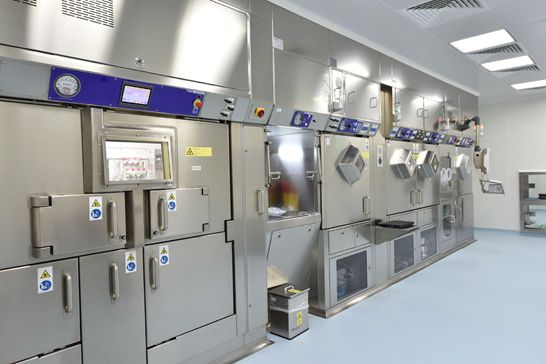
IFIN-HH through its Radiopharmaceutical Research Centre (CCR) contributes to EUROPA’s goal by experiments aiming to demonstrate that medical radioisotopes produced by Laser-Plasma Acceleration are (bio)similar with those produced by conventional cyclotron route. To fulfil this challenge unequivocally, they produce the radioisotopes conventionally and carry out a comparative evaluation by bio-chemical assays on radiolabelled peptides/PSMA, and preclinical imaging, undertaken at our authorized laboratories. At ELI-NP, the irradiation of samples enables to produce ARI at relatively high average power, produced ARIs are extracted and purified using radiochemistry procedures and characterized by nuclear decay spectroscopy. Radiolabelling of biomolecules of interest, radiochemical purity determinations, chemical purity, stability in vitro and serum stability are also on IFIN-HH tasks within EUROPA project.
Laserlab-Europe
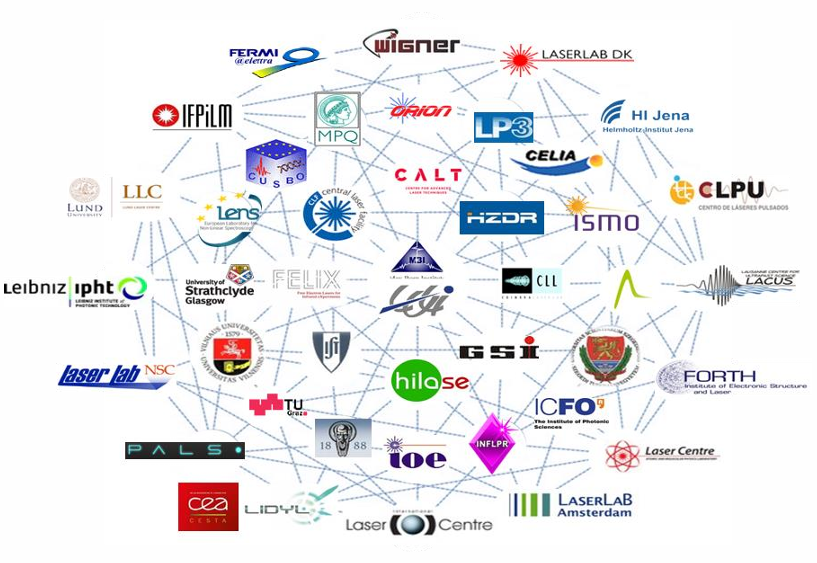
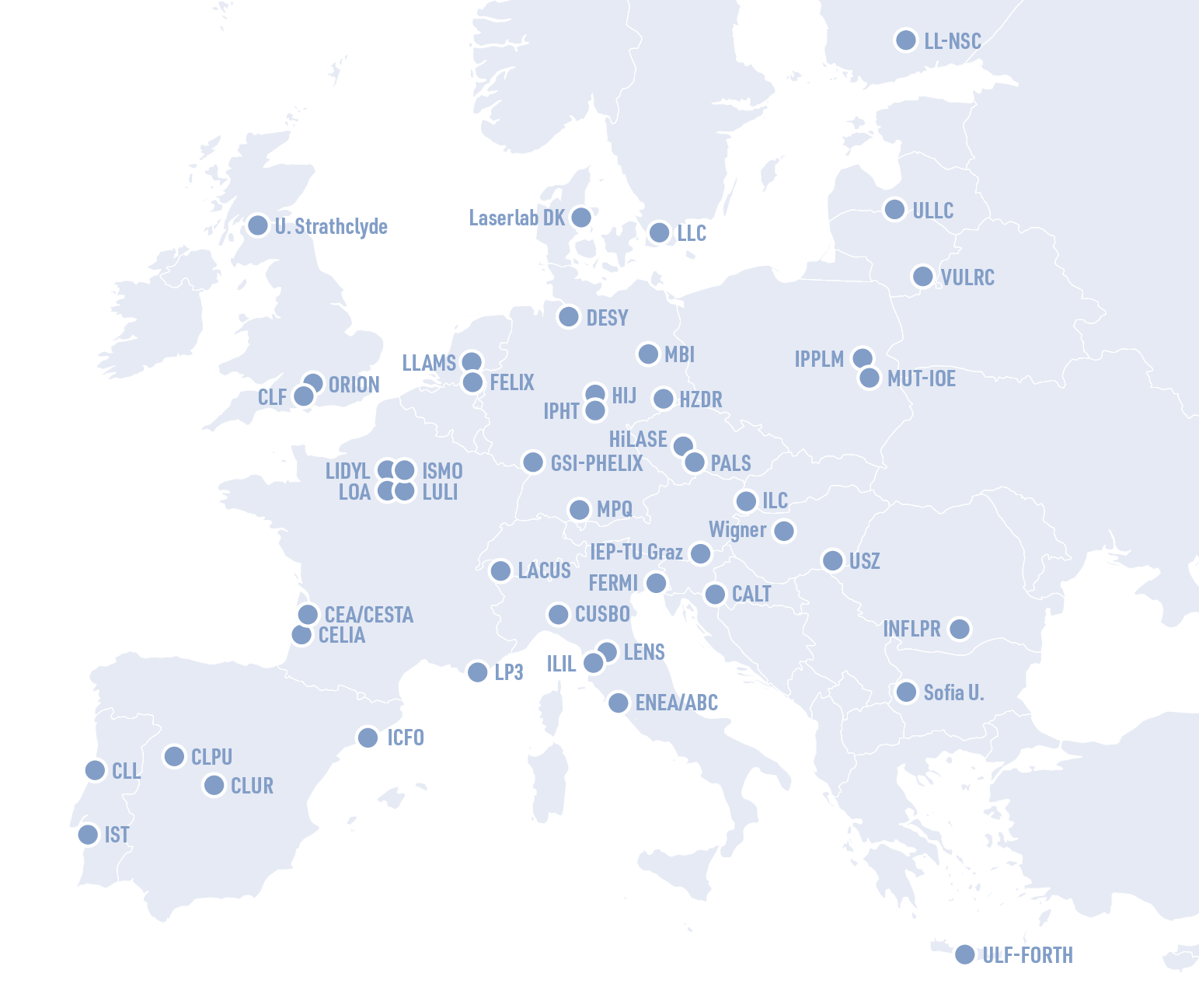
Laserlab-Europe AISBL is an international not-for-profit association, bringing together 48 leading laser research infrastructures in 22 European countries. Jointly, they are committed to coordinate operation and R&D efforts in order to facilitate the development of advanced lasers and laser-based technologies, and to promote the efficient utilisation of advanced laser facilities by users from academia and industry. The majority of the members provide open access to their facilities to scientists from all over the world to perform experiments in a large variety of inter-disciplinary research, covering advanced laser science and applications in most domains of research and technology.
Role in EUROPA:
Laserlab-Europe is responsible the communication, dissemination and exploitation of the knowledge produced by EUROPA. This includes raising awareness of the project among the research community, strengthening and fostering a pathway for EUROPA’s future technology, and ensuring the future of EUROPA’s results through pragmatic exploitation plans. Laserlab-Europe also takes care of the management of travel bursaries within the project.
CLPU
The Spanish Centre for Pulsed Lasers (CLPU) is a research infrastructure dedicated to the research and development of ultra-intense pulsed laser technology. Located in Salamanca, it is run by a publicly funded consortium bringing together the Spanish Government, the regional government of Castile and Leon, and the University of Salamanca. Founded in 2007, CLPU is included in Spain’s roadmap of Unique Scientific and Technological Infrastructures.
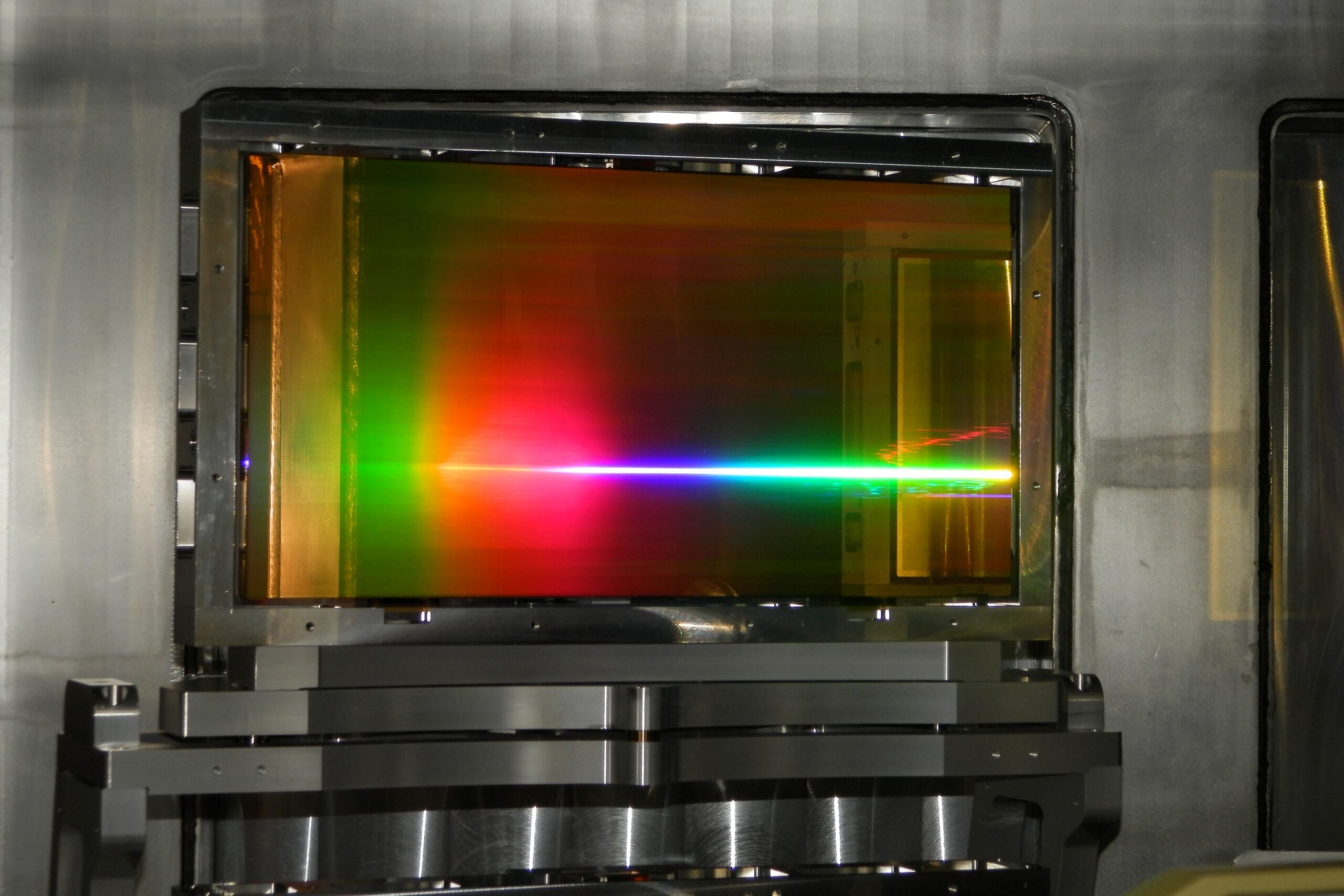
The facility hosts VEGA, a titanium-sapphire laser system based on chirped pulse amplification (CPA), capable of delivering 30-femtosecond pulses and reaching a peak power of one petawatt. Its architecture is unique in the world, comprising three synchronized laser beams that share the same pulse generation system: VEGA-1 and VEGA-2, delivering 20 and 200 terawatts at 10 shots per second, and VEGA-3, delivering 1 petawatt at 1 shot per second. VEGA is a laser accelerator with potential applications in pioneering scientific fields.
Role in EUROPA:
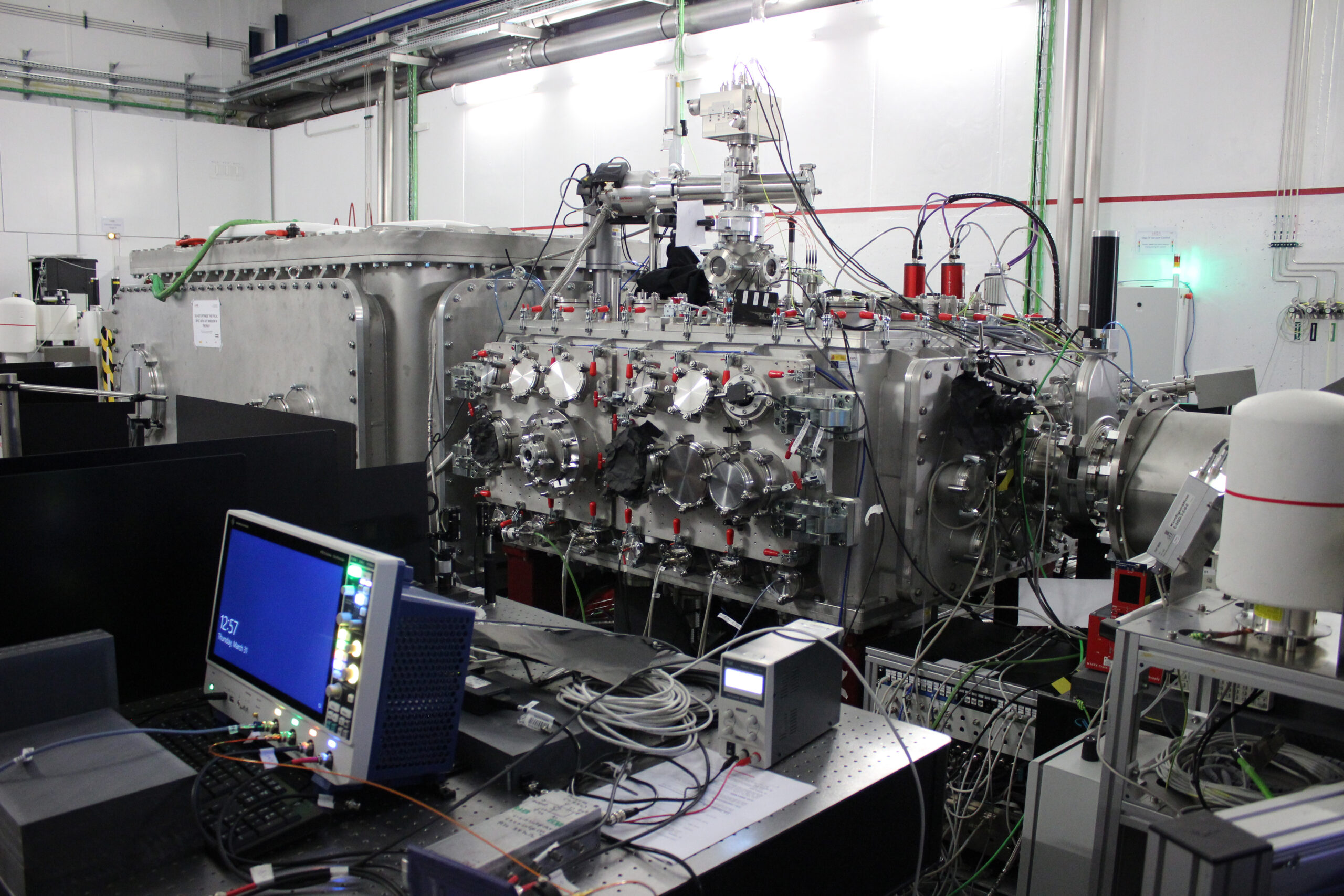
The Spanish Centre for Pulsed Lasers (CLPU) leads WP1 (High-average flux LPA sources) to select the most appropriate LPA method and improve the current technology to enhance the ion and electron (and gamma) average flux for ARI production. The facility is deeply involved in WP2 (Beam diagnostics) with the development of on-line particle diagnostics. The CLPU benefits from a programme dedicated to the development of ion LPA from near-critical density gas targets and HRR targetry. They are also recognised experts in the field of particle acceleration and diagnostics, as well as EMP, PIC numerical modelling and data management systems.
GSI

GSI and FAIR operate a heavy ion accelerator complex located in Darmstadt, Germany. When ion beams from the accelerator are focused onto targets, they deposit energy densities of 100 kJ/g, which is enough to drive samples of matter to a state called warm dense matter, similar to conditions found in the core of planets. To diagnose such states and make high-precision measurement of the properties of these samples, high-energy lasers can be used as drivers for very versatile sources of radiations and particles. Because of the unique features of this field of application, GSI develops lasers tailored to FAIR and prepares the next generation of high-energy lasers.
Role in EUROPA:
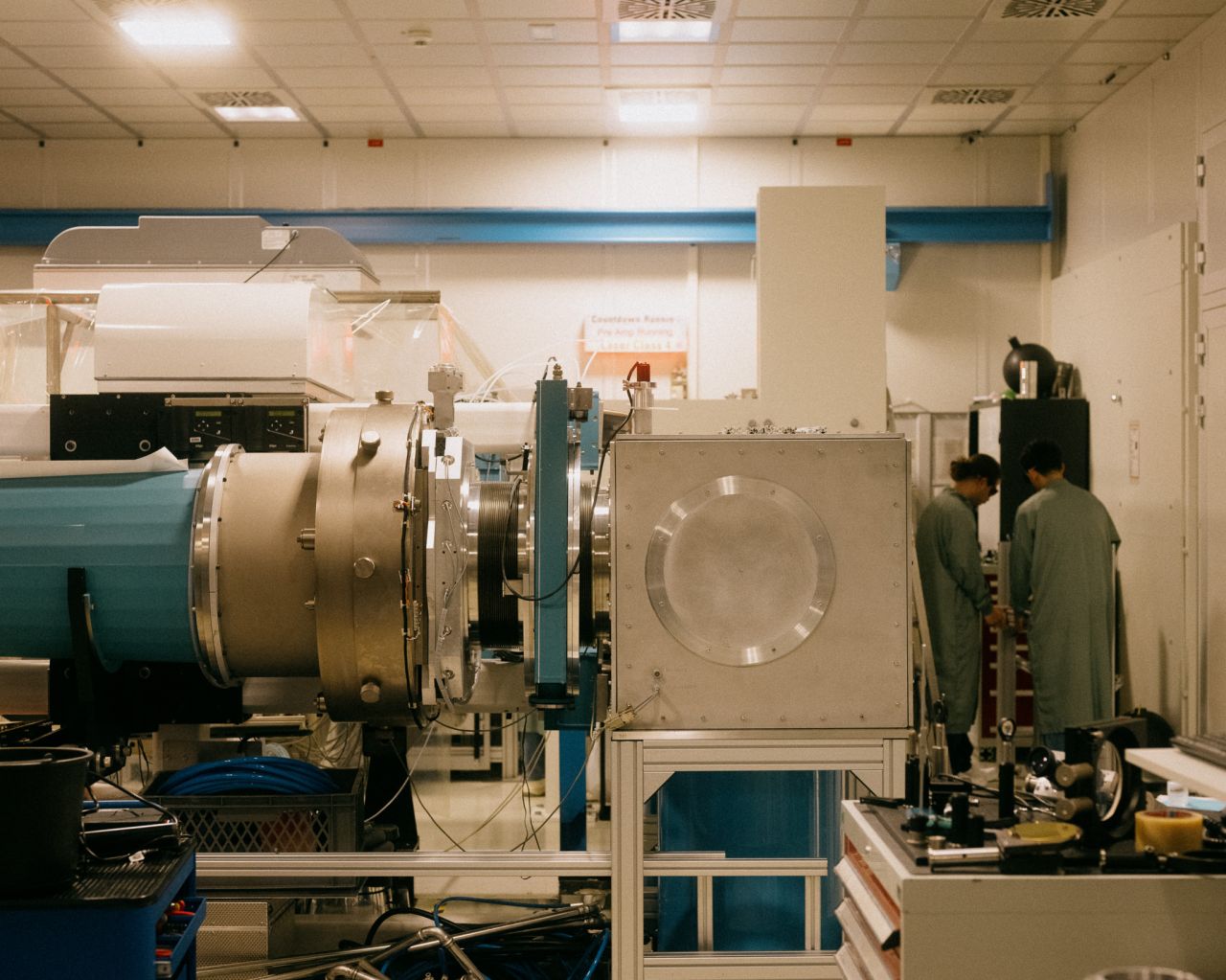
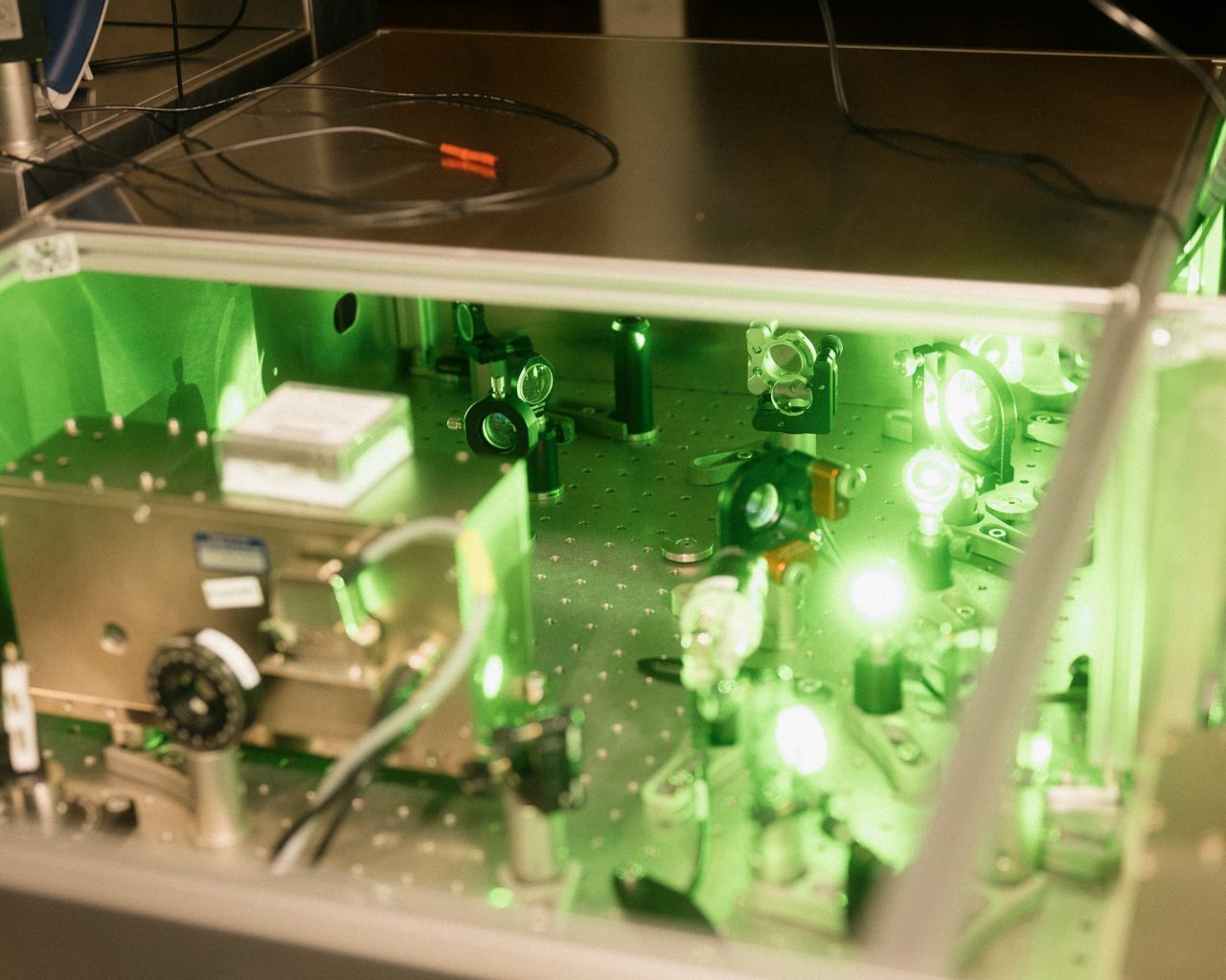
GSI operates the Petawatt-High Energy Laser for Heavy Ion eXperiments to investigate the fundamental mechanisms of laser-driven ion and electron acceleration, with the goal of increasing the flux and quality of these particle sources. This experimental work is complemented by advanced numerical simulations to better understand and optimize the underlying processes. In addition, GSI provides these particle sources for initial experiments on the production of nuclear radioisotopes relevant to the EUROPA project. The outcomes of these activities contribute to the development of a Conceptual Design Report (CDR) for a future accelerator-driven radioisotope (ARI) production facility, in close collaboration with industrial partners. To ensure long-term impact beyond the project duration, GSI leads the data management work package, establishing frameworks for the generation, of FAIR (Findable, Accessible, Interoperable, Reusable) data.
Thales

Thales LAS France is a subsidiary of Thales involved in large systems for Land, Air & Naval and using as key technologies optronics & radars. Within its Optronics & Missile Electronics (OME) business line, the “scientific and industrial lasers” product line develops solutions for civilian markets based on short-pulse solid-state lasers. The company is particularly specialized in ultra-high peak power lasers using the Chirped Pulse Amplification (CPA) concept. It has achieved the current world record of laser peak power, more than 10 PetaWatt demonstrated in 2019 at Extreme Light Infrastructure Nuclear Physics (ELI-NP). Few years ago Thales has launched the development of new CPA laser systems operating at much higher repetition rate, up to 100 Hz. These laser systems are suited for new societal applications in industry (non-destructive testing, test of electronic circuits in extreme environments), security (X-ray inspection of containers) and medicine (cancer therapy, production of medical isotopes).
Role in EUROPA:
Thales is the task leader of Task 4.2 “ultrashort pulses strategy – high-average power TiSa amplifier” from M1 to M36. This task consists of using simulation tools to study the amplification at high-average power under significant thermal load. These simulations are supported by experimental tests to validate the numerical model and determine the design parameters of a TiSa amplifier in accordance with conclusions and findings of WP1 and T4.1. Thales is also a contributor to the task 4.1 “A new facility for ARI production” and participates in the workshops of the predesign studies.
Amplitude
Amplitude is a global leader in ultrafast laser design and manufacturing, driving advancements in industrial processes, medical treatments, and Nobel-caliber science. With 25 years of innovation, our diverse portfolio includes diode-pumped, fiber femtosecond, and high-intensity Ti-Sapphire lasers designed to meet the diverse needs of industries and researchers worldwide. With a strong global presence supported by a team of dedicated experts across multiple facilities, Amplitude combines technological innovation with a commitment to sustainability and excellence. Our lasers deliver impactful solutions for a brighter tomorrow.
Role in EUROPA:
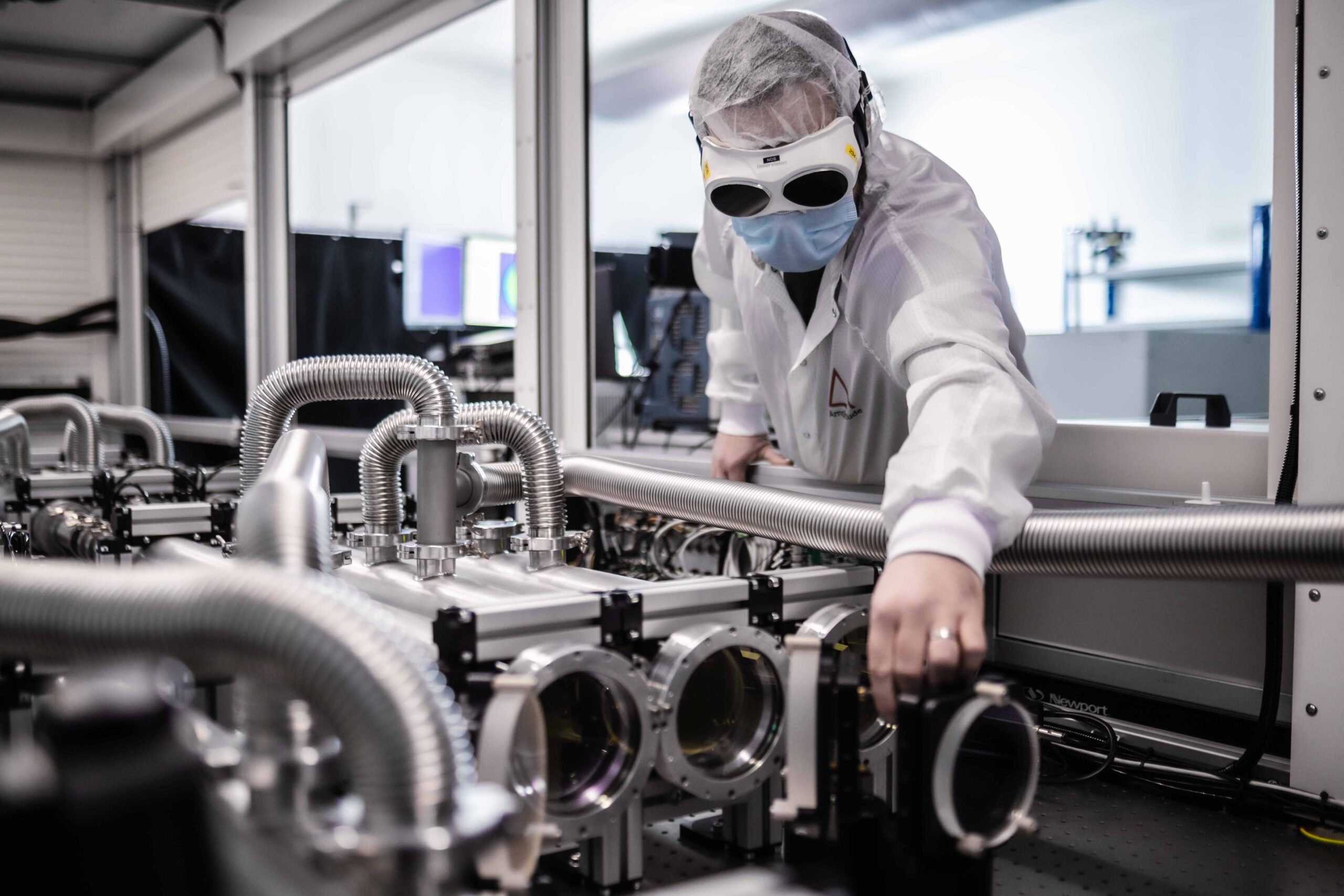
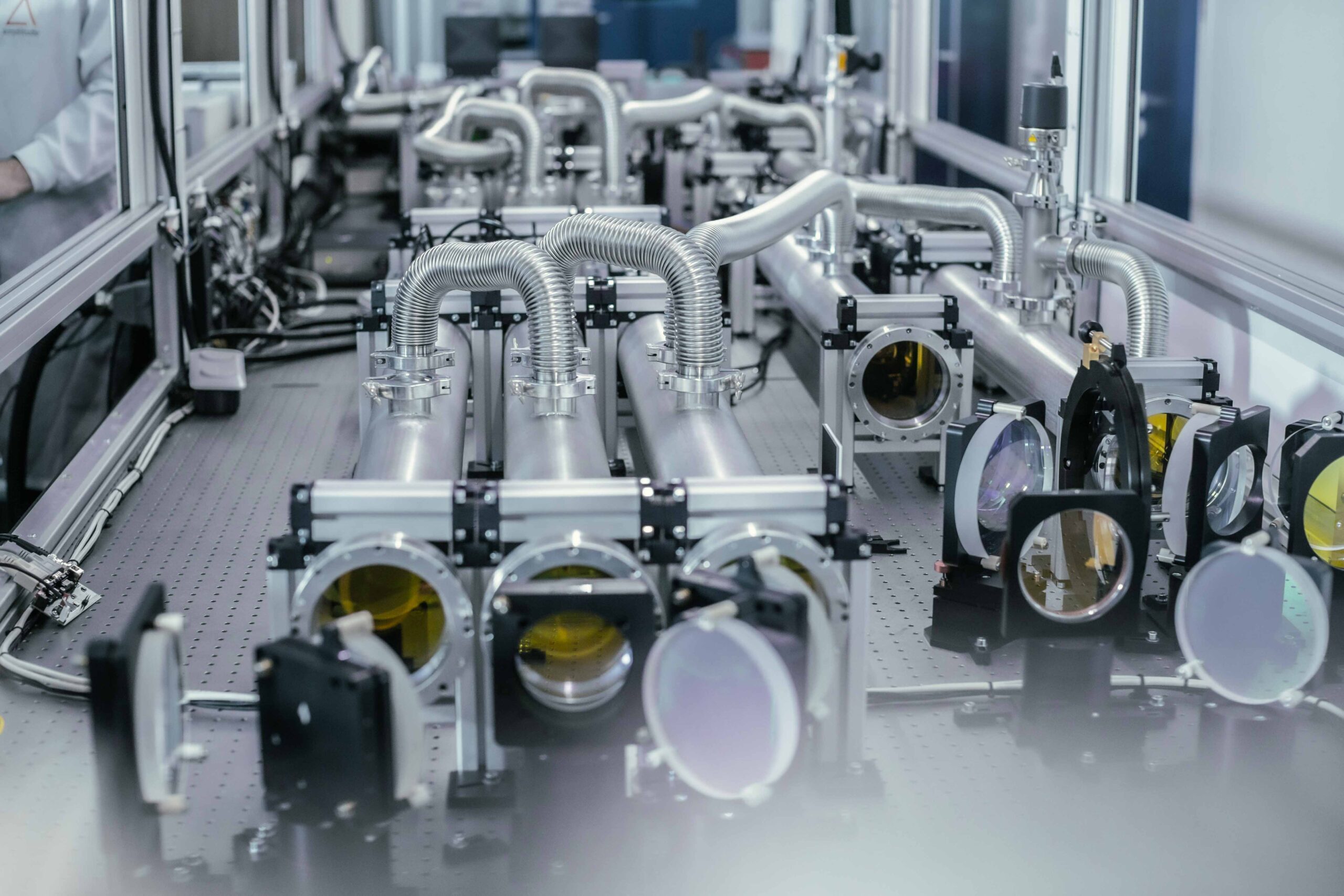
Amplitude contributes to EUROPA by developing a picosecond diode-pumped laser technology to be used as the laser driver for radio-isotope production. Ultrafast diode-pumped technology is already broadly used for industrial and medical applications as a key technology providing high power, efficient, compact and reliable solutions for integrated systems. Amplitude concentrate specifically on the main amplifier technology, as the core of the innovation, to be ultimately integrated in a chirped-pulse amplification architecture. The challenge consists in managing the thermal management in such high energy and high repetition rate amplifier. Such progress will be beneficial to fusion energy production by laser confinement.
Focused Energy

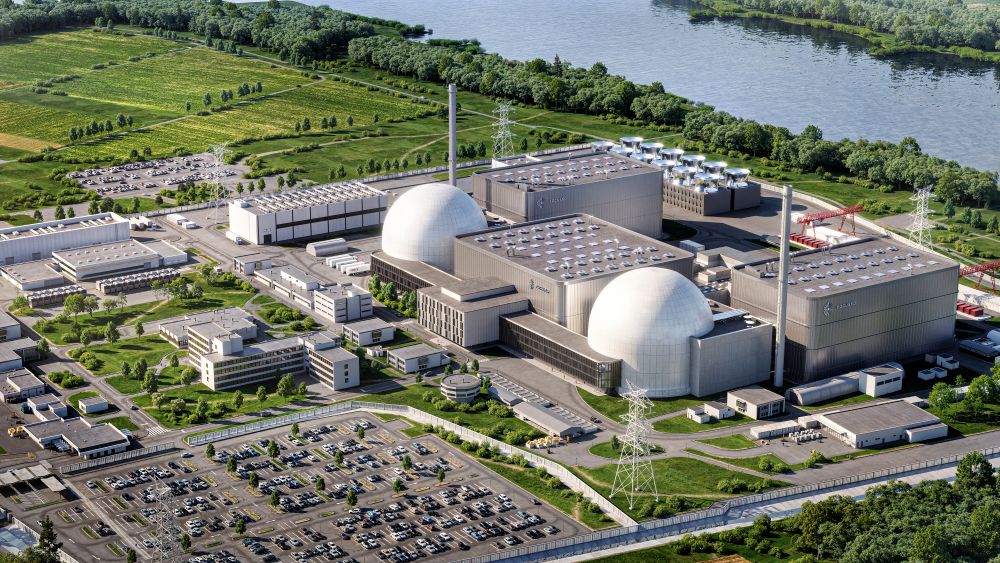
Focused Energy GmbH is a German‑American fusion company headquartered in Darmstadt, with offices in Berlin, Austin and San Francisco. Founded in 2021 out of TU Darmstadt, it brings together more than 160 scientists and engineers from over 20 nations. Our mission is to transfer laser‑driven inertial fusion from research into industrial application and, together with partners from industry and academia, to build the world’s first laser fusion power plant in Biblis by the mid‑2030s.
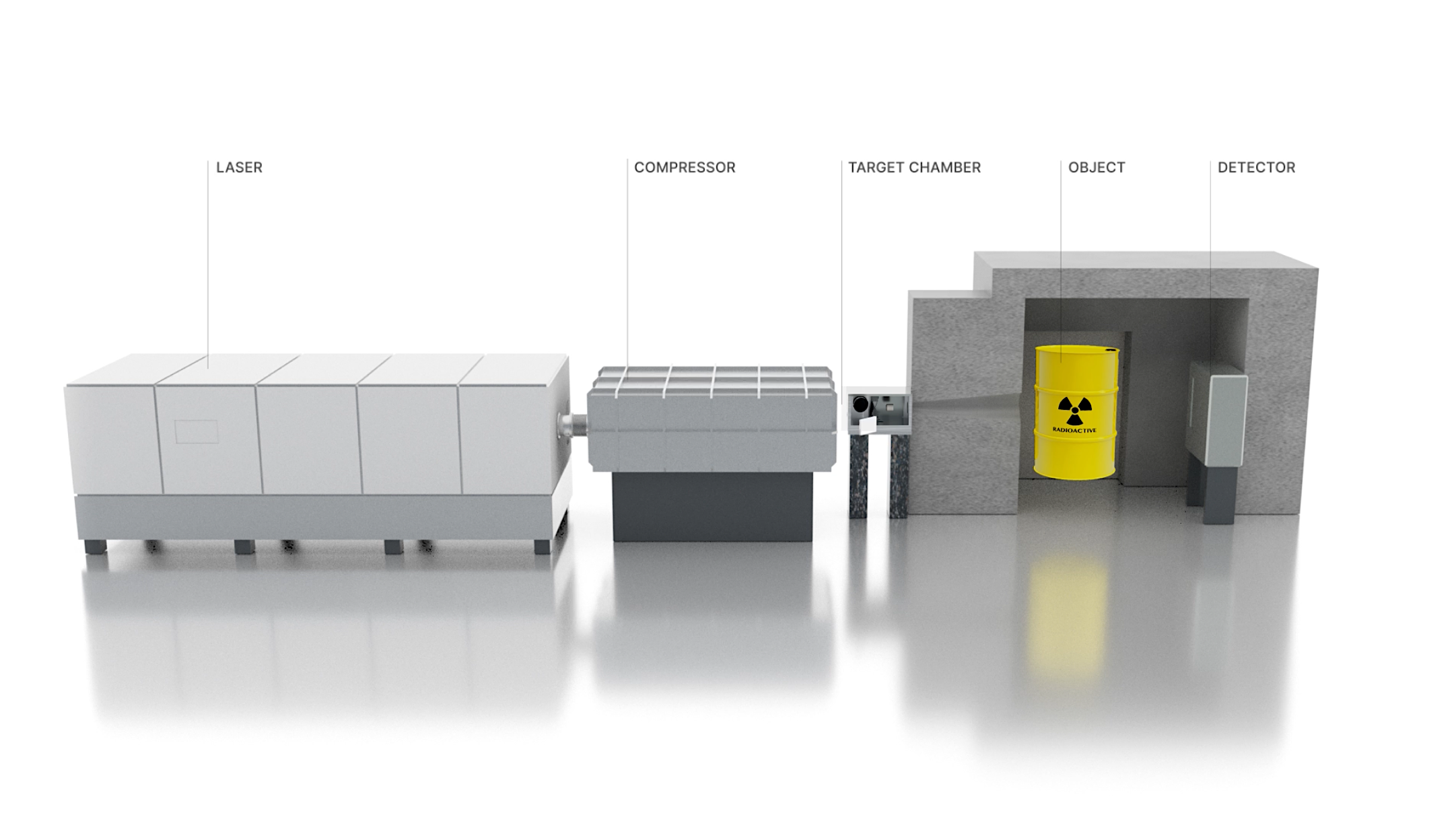
As an early spin‑off product on this path, Focused Energy is developing laser‑driven radiation sources (LDRS) that use the same high‑intensity lasers to drive compact particle accelerators for industrial, scientific and medical applications. The first LDRS prototype is currently being constructed on the site of the former Biblis nuclear power plant to demonstrate non‑destructive inspection of nuclear waste and complex structures. This fusion‑driven technology platform underpins our contribution to EUROPA.
Role in EUROPA:
Focused Energy’s role in EUROPA is to provide expertise at the interface between laser-driven ion acceleration, target irradiation and facility design. The company supports GSI in developing a facility concept for medical isotope production. In addition, FE performs irradiation experiments at its laser ion acceleration facility to produce medically relevant isotopes which are further processed by the partners within the project. These activities help define the technical requirements for a laser-based isotope production platform and provide experimental input for evaluating its feasibility.
